A lot of beauty tech makes big promises. Some of it is marketing dressed up as science. Some of it is real. Here's what the research actually says about the technologies we use at Vive™ — including where the evidence is strong, where it's still developing, and what you should realistically expect.
Red light therapy (RLT)
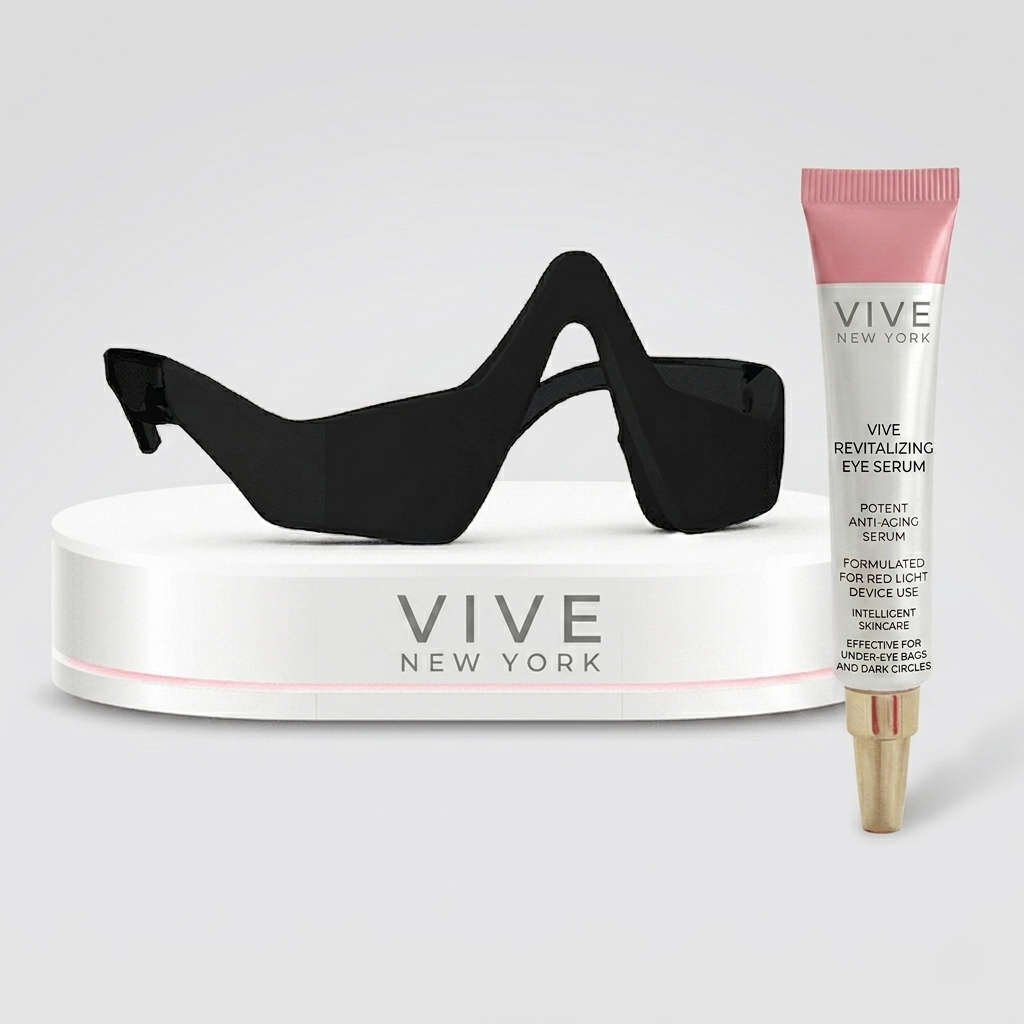
This is one of the most researched areas in photodermatology. Red light at 630–660nm wavelengths and near-infrared at 810–850nm have been studied extensively since the 1990s, initially in wound healing and later in aesthetics.
What the research shows: multiple randomized controlled trials have demonstrated that consistent red light exposure stimulates mitochondrial activity in skin cells, increasing ATP (cellular energy) production. This triggers collagen synthesis, reduces inflammation, and accelerates the skin's repair cycle. Studies published in journals including Photomedicine and Laser Surgery and the Journal of Clinical and Aesthetic Dermatology show measurable reductions in wrinkle depth and improvements in skin tone after 8–12 weeks of regular use.
What it won't do: red light therapy is not a treatment for medical skin conditions. It will not remove moles, treat melanoma, or replace medical dermatology. It's a wellness technology that works with your skin's natural biology over time.
EMS (Electrical Muscle Stimulation)
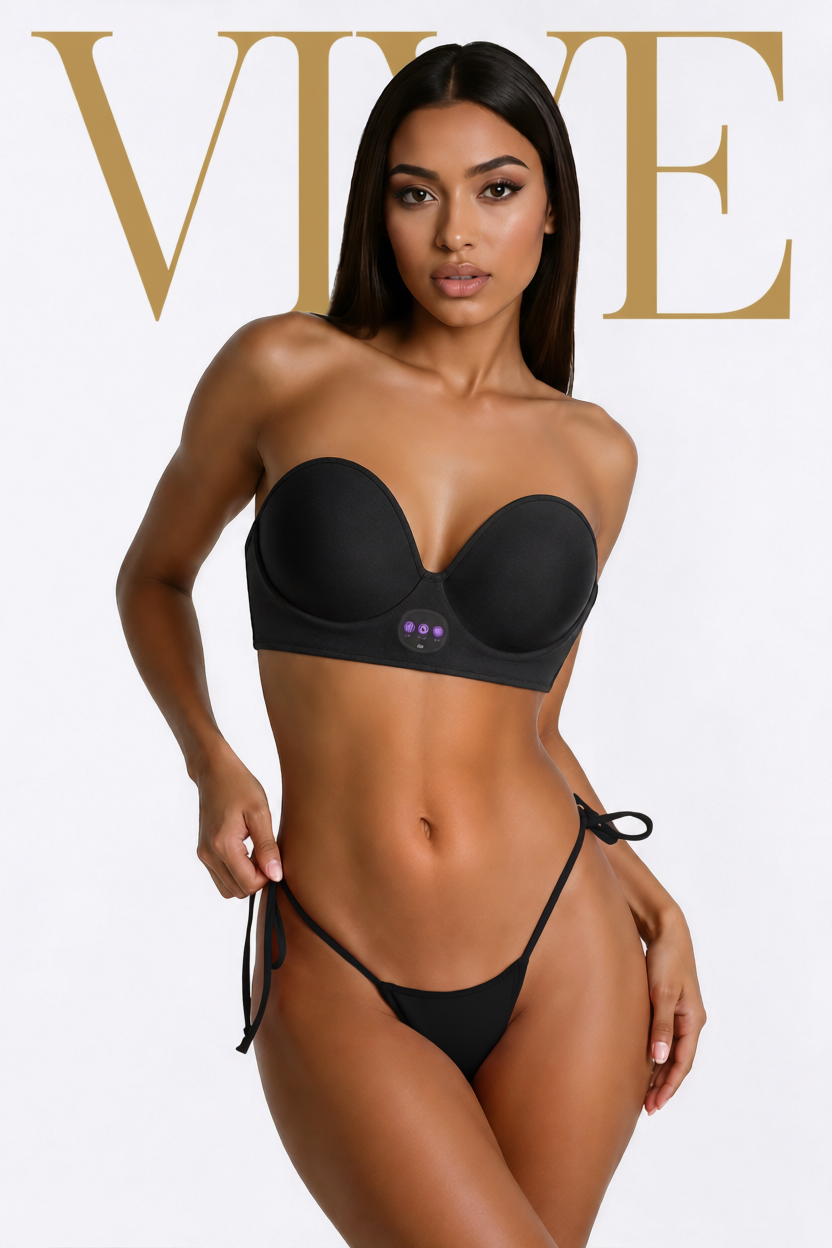
EMS has been used in physical therapy and sports medicine for decades. Applied to the face or body, it sends low-level electrical impulses that trigger micro-contractions in underlying muscles — producing a toning and lifting effect that accumulates with repeated use.
The evidence for facial EMS is less voluminous than for RLT, but growing. Clinical aestheticians have used professional-grade EMS machines for years; at-home devices use lower intensity to make the technology safe for daily use without professional supervision. Realistic expectations: subtle firming over 4–6 weeks of consistent use, more pronounced with professional-grade treatments.
Vacuum massage and lymphatic drainage
Negative-pressure suction is a well-established technique in physical therapy for lymphatic drainage and scar tissue treatment. Applied to skin through cupping or vacuum massage, it lifts tissue and stimulates blood flow to the treated area.
For cellulite specifically: the honest answer is that no topical device eliminates cellulite permanently. What vacuum massage does is improve circulation in the treated area and temporarily improve the skin's surface texture — similar to the temporary smoothing effect of a deep tissue massage. With consistent use over weeks, some people see cumulative improvement in skin tone and firmness. Individual results vary significantly.
IPL hair reduction
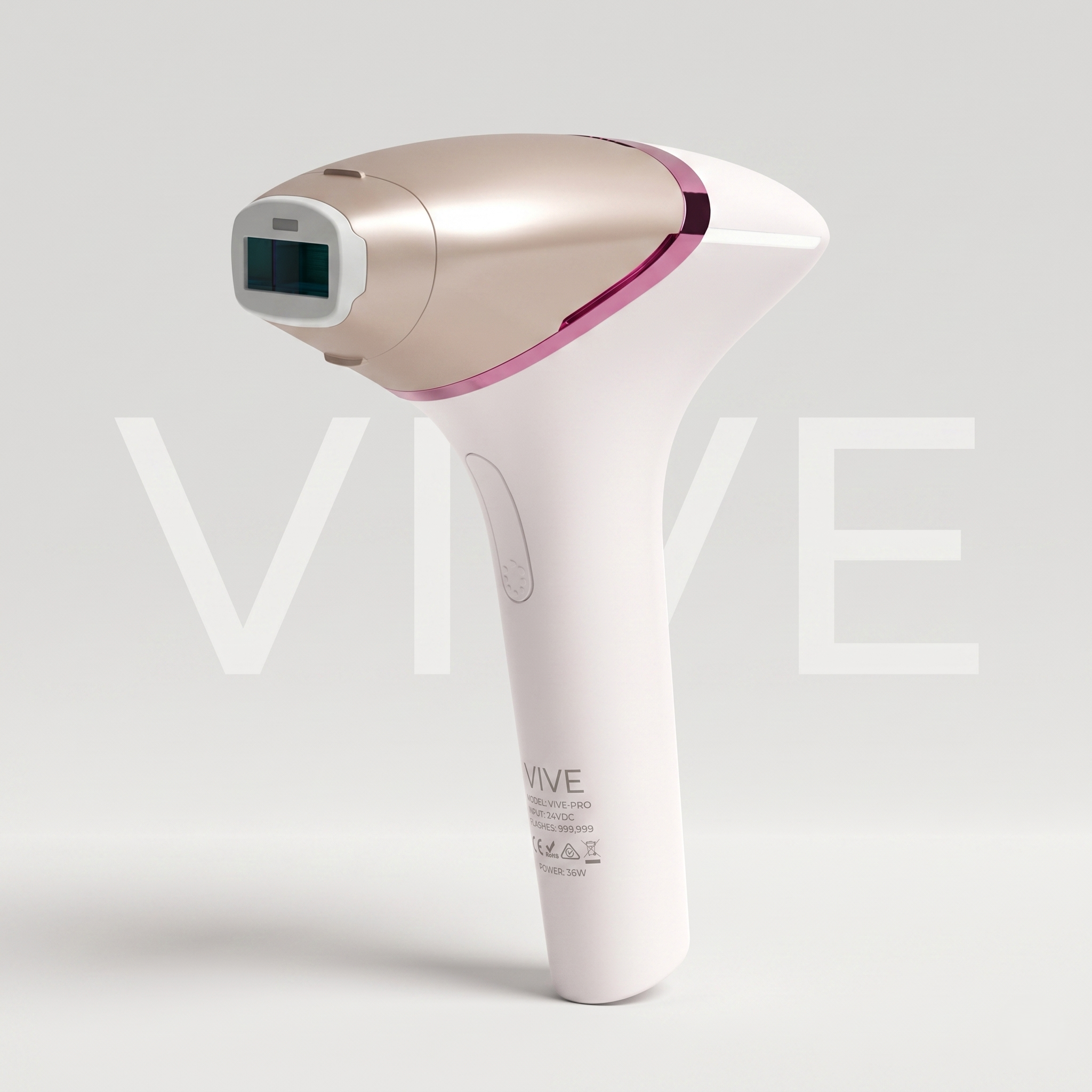
IPL (Intense Pulsed Light) is one of the most validated hair reduction technologies in dermatology. It works by targeting melanin in the hair follicle with a pulse of light, disrupting the hair's growth cycle. Multiple peer-reviewed studies confirm significant hair reduction after 6–12 treatments.
Important caveat: IPL works best on the contrast between hair pigment and skin tone. It is least effective on very light hair (blonde, gray, red) and on very dark skin tones, where the light cannot adequately differentiate between the follicle and surrounding skin. If you're unsure whether IPL is right for your skin and hair type, email us before ordering.
The bottom line
Beauty technology works — when it's grounded in real science, used consistently, and approached with realistic expectations. At Vive™, we try to be transparent about what our devices can and can't do. If you have a question about whether a specific product is right for your skin or concern, email help.vivenew@gmail.com. We'll give you an honest answer, even if that means telling you our product isn't the right fit.